Acte I - Un projet de Joana Hadjithomas & Khalil Joreige
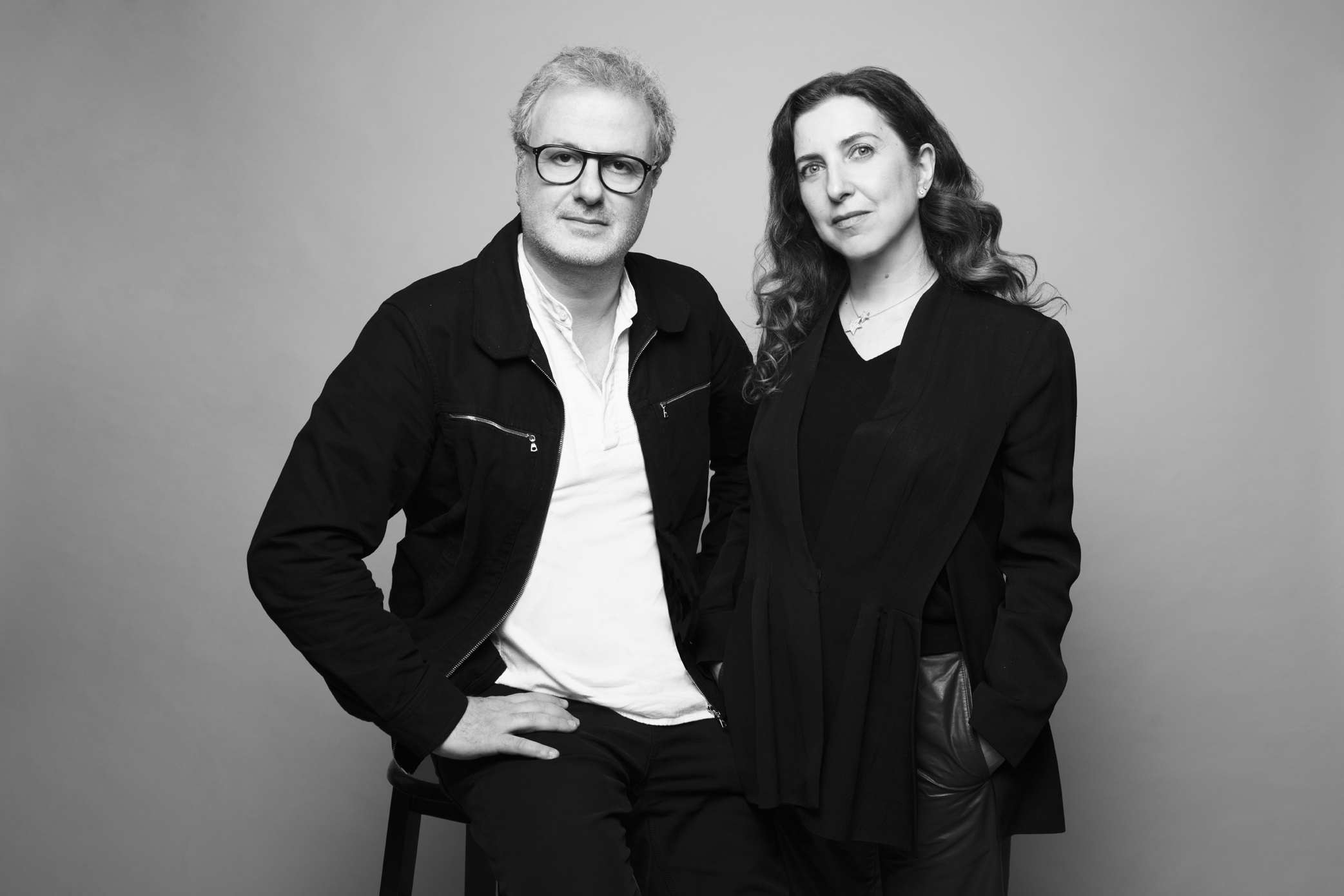
Portrait Joana Hadjithomas & Khalil Joreige
© Tarek Moukaddem
« Archives des invisibles »
Acte I
|
KADIST presents Archives des invisibles, a project by Joana Hadjithomas and Khalil Joreige, the first act of which brings together filmmakers and artists mainly from the Mediterranean region – Morocco, Algeria, Tunisia, Egypt, Lebanon, Palestine and France. This first chapter, conceived on the occasion of the Saison Méditerranée 2026, takes the form of an exhibition presented at KADIST Paris from October 10, 2026 to January 9, 2027, accompanied by a program of talks, screenings, and tours. In collaboration with Amélie Galli, head of the Cinémathèque idéale des banlieues du monde at the Centre Pompidou, and Taddeo Reinhardt With |
||
The thought behind Archives des invisibles has accompanied Joana Hadjithomas and Khalil Joreige for a long time. It grew out of their experience as filmmakers and artists, and their attention to what slips away, to what remains offscreen, to images that are missing, buried, or forgotten. Their practice has always turned toward traces, fragmentary archives, and incomplete documents: materials they seek to give new life to, to put back into circulation, so that they can tell a different story—one that questions our present, the representations underpinning it, and the narratives that shape our collective imagination. With Archives des invisibles, they wanted to shift this reflection toward another territory: that of the images artists and filmmakers still carry within them. Shots that were filmed but never found a place in a film, yet remain alive in the memory of those who filmed them. The premise of Archives des invisibles is simple: what becomes of these images, these faces, these landscapes, filmed, loved, then set aside, locked away on hard drives or in storage? What might emerge if, instead of remaining invisible, they were shared and brought together? Each artist and filmmaker is invited to reveal and then entrust one or more previously unseen sequences, accompanying them with a testimony that restores their context, history, and memory. Why does this sequence continue to inhabit its author? Was it cast aside during editing for aesthetic, political, censorship-related, or narrative reasons? To whom do these images belong today? And what faith do we still place in them? Archives des invisibles examines several essential questions in creative practice: what we choose to show or to leave offscreen; the images we give up on; what it means today to pass down, archive, and index; but also how forgotten narratives and invisibilized memories can be reactivated. Together, these fragments trace a sensitive and polyphonic cartography of the territories, narratives, and aesthetics that make up a shared adventure—a living archive, in perpetual construction. This first iteration brings together primarily images by artists and filmmakers from Algeria, Egypt, France, Lebanon, Morocco, Palestine, and Tunisia. The archive’s contents are meant to grow throughout the exhibition and beyond it, opening the field to contributions from other eras and geographies, and continually questioning what images can do in a world in collapse.
|